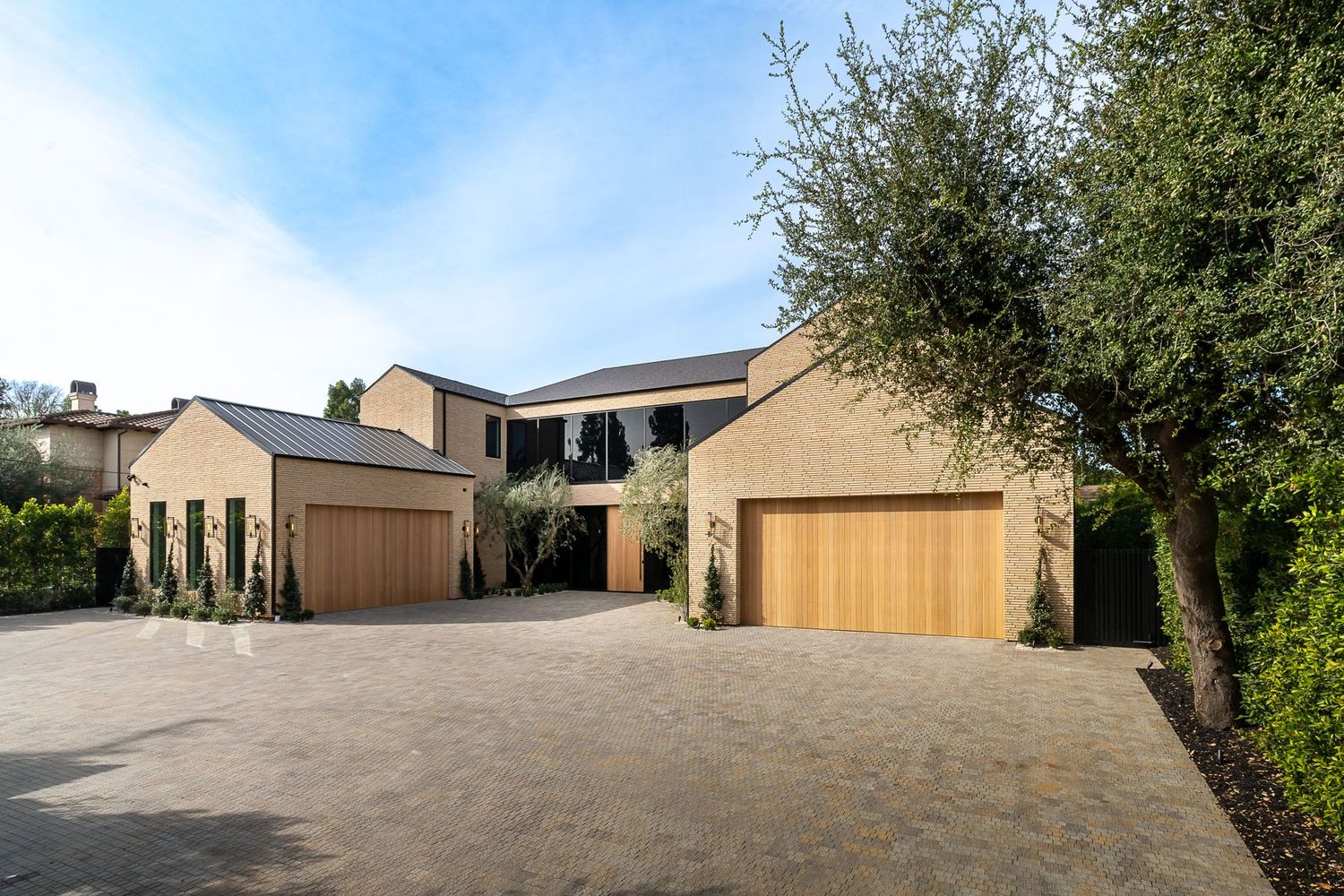
Home · New Construction & Land
From Lot to Landmark
Land, teardowns and new construction across the Valley with George Ouzounian & Gina Michelle. Zoning, slope, lot splits, what can be built and what it will sell for, from the first look at a lot to the day the finished home sells.
Three Ways We Work
One Team for the Whole Build
Land & Teardowns
For owners of a lot, or a house whose land is worth more than the structure.
- Priced on what can be built, not what stands today
- A smaller house on a larger lot is often worth more as land
- Full ZIMAS review: zoning, overlays, hillside and hazards
- Lot split, ADU and SB 9 potential where eligible
- Direct reach to the Valley's active builders
Builders & Developers
For builders looking for the next site, and planning how to sell it.
- Site sourcing, including quiet and off-market land
- A written pitch on every site: what can be built, build cost and exit value
- Layout and finish advice based on what set record prices per foot nearby
- On site from demo through framing, documenting the build
- Launch with a listing film, website and broker previews
Buying New Construction
For buyers who want a brand-new home without the guesswork.
- New and nearly finished homes across the Valley
- Guidance on builder contracts and warranties
- Inspections that make sense for new builds
- Pricing compared against recent new-build sales
The Lot Analysis
What We Check on Every Lot
Before anyone talks price, we go parcel by parcel through the city's records and the site itself, so the plan, the budget and the resale value are built on what can actually be built.
Zoning & Overlays
The parcel's ZIMAS profile sets the rules for everything that follows.
- Base zone, such as RE15, RE20, RE40 or R1, and height district
- Specific plans and overlays, like the Ventura-Cahuenga Corridor or Mulholland Scenic Parkway
- Historic districts (HPOZ) and community design rules
- Recent planning cases and permits on the parcel and its neighbors
Size, Shape & Floor Area
How much house the lot allows, not just how big the lot is.
- Lot area, width, depth and shape
- Allowed residential floor area under the city's mansionization and hillside ordinances
- Setbacks, lot coverage and height envelope
- Easements, encroachments and survey questions
Slope & Hillside Rules
On a hillside lot, slope can cut the buildable area dramatically.
- Slope analysis by band, and how it reduces allowable floor area
- Grading and import/export limits
- Street width and access on substandard hillside streets
- Retaining walls, caissons and the cost they add
Hazards
Public hazard maps that shape design, cost and insurance.
- Very high fire hazard severity zone status
- Fault, liquefaction and landslide zones
- Methane zones and FEMA flood zones
- What each means for engineering, timing and budget
Site & Utilities
The details that surprise people after they close.
- Sewer or septic, water, power and gas capacity
- Protected trees, such as native oaks and sycamores
- Driveway access, fire department access and parking
- Existing structures and demolition considerations
Upside
Where the extra value hides.
- ADU and junior ADU potential
- SB 9 lot splits and two-unit projects, where the parcel is eligible
- Pool, guest house and outdoor living potential
- Views, privacy and orientation that buyers pay a premium for
Rules change and vary by parcel. For example, some areas, like very high fire hazard zones, historic districts and recent burn areas, limit SB 9. Every analysis is confirmed with the city and your architect, engineer or land-use attorney.
Try It · Illustration
What Could Go on Your Lot?
Set your lot's width, depth and shape, and pick its zone (you'll find it on ZIMAS, or ask us). We'll sketch what the City of Los Angeles allows: how big, how close to each lot line, and how tall.
An illustration only, for flat lots in the City of Los Angeles (Encino, Sherman Oaks, Tarzana, Studio City, Woodland Hills), based on the Los Angeles Municipal Code's single-family floor area, yard and height limits and on state ADU and SB 9 law. Front yards can follow the block's prevailing setback, and specific plans, overlays, easements, protected trees, corner lots and garages all change the picture. Calabasas, Hidden Hills and other cities have their own codes. George & Gina confirm every number for your parcel with the city and your architect.
From Lot to Value
Working Backward From the Sale
Builders don't pay for what a lot is. They pay for what it can become. We start with what the finished home will sell for, then work backward through build costs to what the land can support.
- 01Resale value of the finished home, from recent new-build sales nearby
- 02Minus hard and soft costs: construction, design, permits, financing
- 03Minus the builder's margin for time and risk
- 04Equals the land value a builder can pay
Try It · Illustration
Resale starts at the median price per sq ft for new homes (built 2023 or later) sold May 2025 to Nov 2026, per CRMLS; Tarzana had only 7 such sales. Build cost and margin start at what recent Valley spec sales imply, about 20%. An illustration only, not an appraisal or an offer. Real numbers depend on the parcel, the plan and the market.
Try It · Illustration
Keep It or Tear It Down?
Some houses are worth more as a home. Others are worth more as land. Tell us roughly what the house would sell for as it stands, and we'll weigh it against what a builder could pay, using your lot and the numbers above.
An illustration only, not an appraisal or an offer. Land value comes from the calculator above and your lot size from the lot tool. A real answer depends on the house's condition, the block and the market, and selling as-is or to a builder each has its own timing and terms. We'll run both for your property.
The Bench
The Right People, Already on Call
Years of projects mean we can introduce you to the professionals who make a build work, from the first survey to the final walkthrough.
- Architects & designers
- Civil, structural & geotechnical engineers
- Surveyors
- Permit expediters
- Land-use attorneys
- Builders & general contractors
- Construction lenders
- Landscape architects
- Stagers, photographers & filmmakers
Start to Finish
Watch a Home Come Together
From Lot to Keys
How a Project Runs
The site
We find or evaluate the lot: zoning, size, slope, access, and what nearby new builds have sold for.
The numbers
A realistic resale price for the finished home, so land and build budgets work backward from it.
Plans & permits
Feedback on layout, ADUs, outdoor space and finishes, based on what buyers in that pocket pay for.
Demolition
The old house comes down. We're on site from day one, documenting the build.
Foundation
Footings and slab. Early conversations with buyers start where permitted.
Framing
The home takes shape. We walk it with the builder at framing to fine-tune finishes.
Roof, windows & systems
The house is closed in, with every finish written down for buyers.
Finishes & landscape
Staging plans, photography and the listing film get scheduled.
Power on, launch
We launch once the power is connected: listing film, website and broker previews.
Sold
Negotiation, escrow and a weekly report on every showing and offer, through closing.
A typical Valley timeline. In the past year, city permits for new homes in these neighborhoods took a median of about 5 months (hillside lots often much longer), building took about 19 months, and Valley spec homes went from land purchase to sale in a median of 26 months. Every project is different. Sources: LADBS permit data, Boras Real Estate 2026 spec home reports.
Buying New Construction
New Doesn't Always Mean Well Built
Before you write an offer on a new build, we go through the same five checks every time.
- 01
The hazard report
We read the Natural Hazard Disclosure line by line: fire zone, soils, radon and more. A flag isn't a deal-breaker, but it tells you what to test for.
- 02
Permits & Certificate of Occupancy
We pull the city's permit history. Was it a full rebuild or a remodel that kept a wall? Is every permit closed and the C of O issued?
- 03
The builder
Who built it, what else they've built, and how those homes have held up.
- 04
Square footage
Marketed square footage can count garages, covered patios or a cabana. We compare it with the Certificate of Occupancy so you know what you're paying for.
- 05
Workmanship
A warranty helps, but it's easier to fix things before closing. We call out sloppy work and make sure it goes into the inspection requests.
After closing, you get a care guide for the home, so you know what's normal upkeep (re-sealing exterior wood, re-caulking, filter changes) and what's a builder issue.
New Construction
Recent Projects
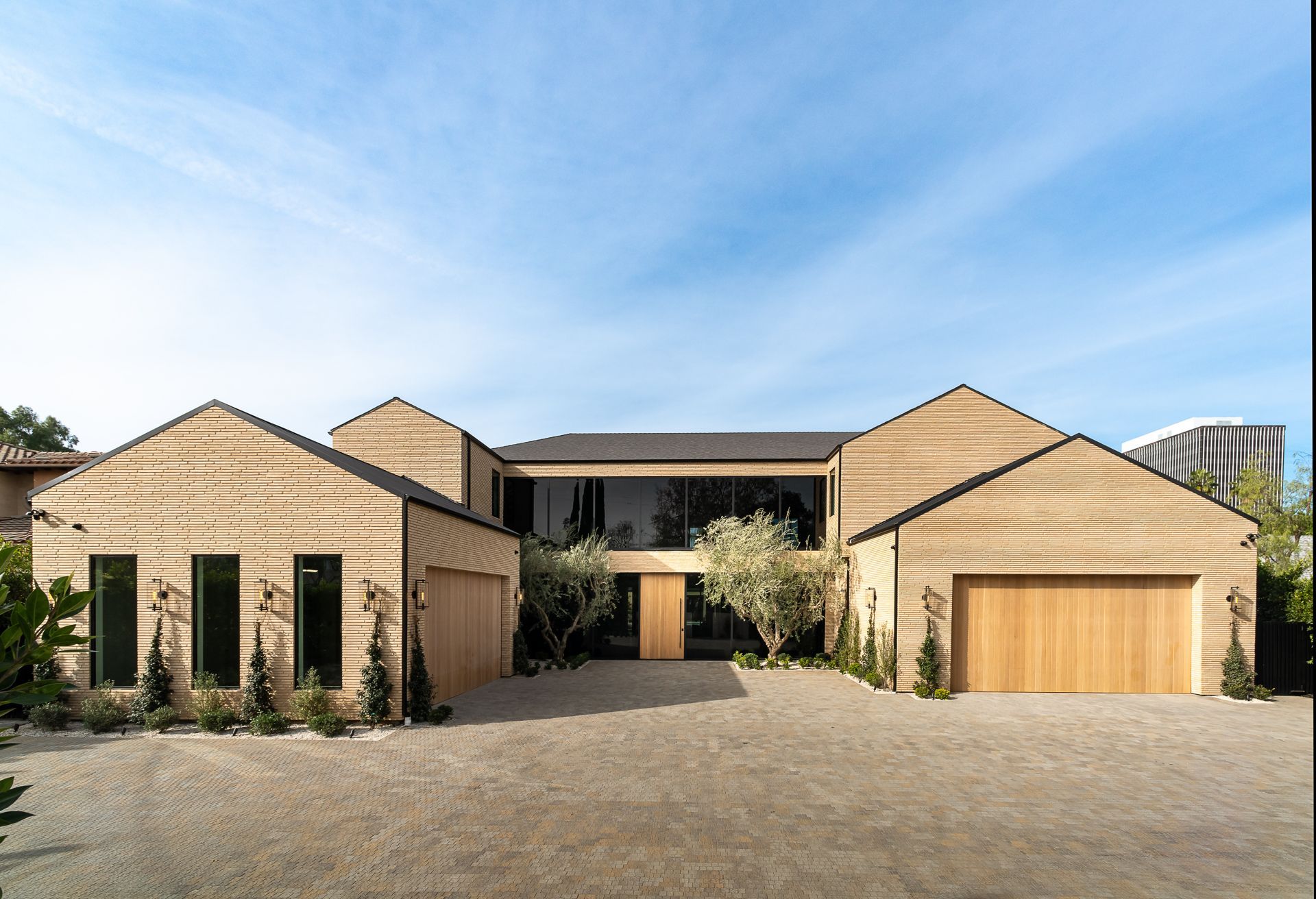
4543 Densmore Ave
Royal Oaks, Encino · New construction · 7 bed · 12,061 sq ft
$12,000,000
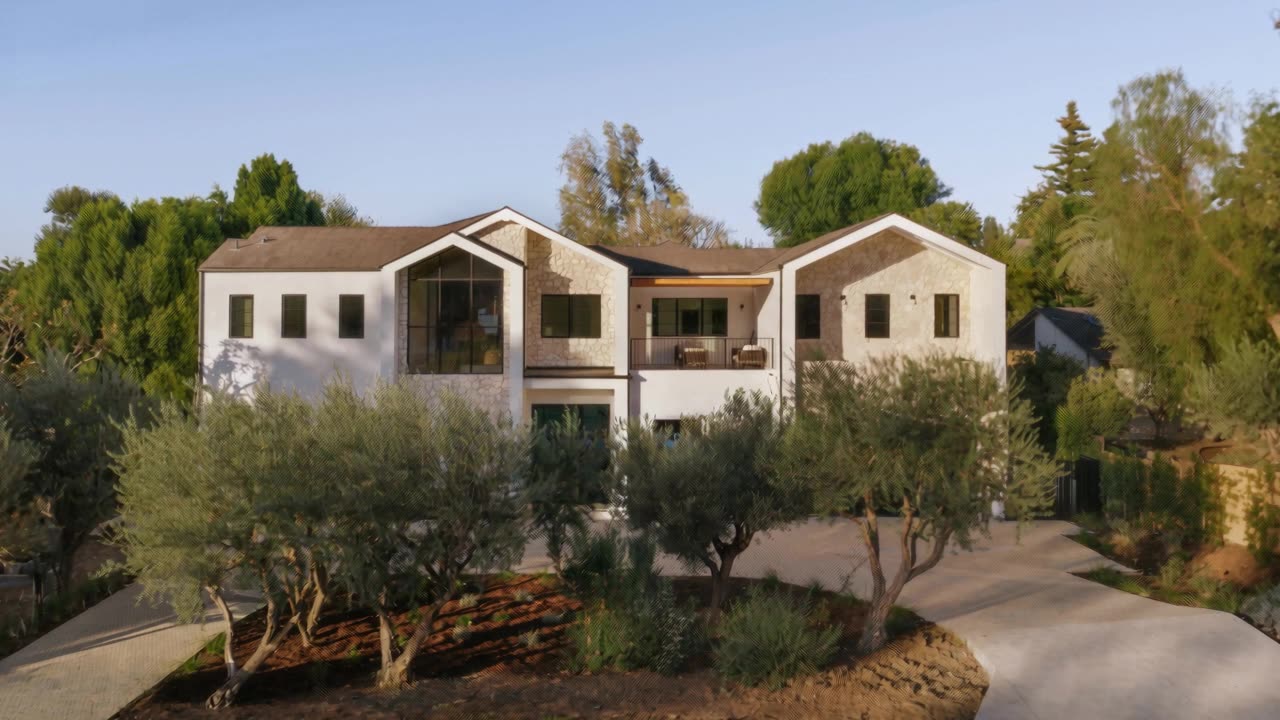
4744 Vista De Oro Ave
Woodland Hills · New construction · 7 bed incl. ADU
$5,450,000
More New-Construction Sales
| Address | Price | Note |
|---|---|---|
| 4525 Woodley AveEncino | $16,426,180 | Sold before completion |
| 12100 Hillslope StStudio City | $7,500,000 | Top sale and top price per foot in the Silver Triangle |
| 5824 Manton AveWoodland Hills | $5,250,000 | |
| 18807 Edleen DrTarzana | $5,250,000 | |
| 4748 Noble AveSherman Oaks | $4,825,000 | Top sale in its pocket |
| 5004 Enfield AveEncino | $3,825,000 | |
| 4140 Sunnyslope AveSherman Oaks | $3,762,000 | |
| 4430 Estrondo DrEncino | $3,720,000 | Sold before completion |
| 13158 Otsego StSherman Oaks | $3,650,000 |
Densmore listed by George Ouzounian & Levon Arzumanyan. Closed sales, Dec 2025 to Sept 2026. Sale data: CRMLS, closing statements and G&G Master Log.
Questions
Land & New Build FAQ
How do you price a lot or a teardown?
On what can be built and what it would sell for. We look at zoning, lot size and shape, slope, access and utilities, then at what comparable new construction nearby has sold for, and work backward to a land value builders can support.
Should I sell to a builder or build myself?
It depends on your timeline, budget and appetite for risk. We'll walk you through both: what the land is worth today, and what a finished home could sell for after build costs and time.
Do you work with builders before they buy a site?
Yes. That's often the most useful time to talk, so the purchase price, the plan and the expected resale price line up before anyone commits.
Can my lot be split under SB 9?
Possibly. SB 9 lets many single-family lots in California be split into two, or hold two homes, but eligibility depends on the parcel, and areas like very high fire hazard zones, historic districts and recent burn areas have limits. We check eligibility as part of the lot analysis, then confirms with the city and your land-use professionals.
Can you help with zoning and permits?
We check public zoning and hazard information early and work alongside your architect, engineer and permit expediter. We aren't a substitute for them, but we make sure the plan fits what buyers in the area will pay for.
What does selling to a builder usually look like?
Builders typically buy as-is and often pay cash, so there's no repair list and fewer contingencies. Many will agree to a short stay after closing so you have time to move. Every offer is different; we'll put the terms side by side so you can compare them with a traditional sale.
When do you put a new build on the market?
Usually once the home is complete and the power is fully connected, so showings and inspections go smoothly. Until then we introduce it quietly to buyers we already know.
Can I buy a home before it's finished?
Sometimes, usually off-market. We walk the site with you and the builder, with renderings for each room so you can picture the finished space. The builder lists every finish in writing: appliances, flooring, windows, landscaping. You review and sign off on all of it as part of the contract, so you know exactly what you're getting.
How do you price a finished new build?
Against the new builds it will actually compete with, both active and recently sold. Sometimes that means advising a builder to list a little lower so the home stands out instead of sitting with the others in its price range.
Do you work on larger, multi-home sites?
Yes. For a multi-lot or small-community site, we project resale values for each home and ADU from local comps, and brings in feasibility and land-use consultants for the entitlement work.
What's different about a new-construction escrow?
A few items you won't see on a resale. The builder's indemnity package matters most. In the City of Los Angeles, new homes over 1,500 sq ft also pay the affordable housing linkage fee, currently about $10.70 to $24.06 per sq ft depending on the area. And the city's Measure ULA transfer tax applies to higher-priced sales: 4% of the full price on sales over $5.4 million and 5.5% at $10.9 million and up (thresholds as of July 2026, adjusted each year). We map out who pays what early so nothing surprises anyone at closing.
What's different about buying new construction?
Builder contracts, warranties, completion timelines and inspections all work differently. We help you compare the price against recent new-build sales and understand what's included before you sign.
Start a Project
Let's Talk About Your Lot
Whether you own the land, plan to build on it, or want to buy what's being built, George & Gina will tell you what it's worth and what it could become.